Launching Contributors
How a small mentorship program turned 104 contributors from 40+ countries into the most diverse open source pipeline in Django's history.
The software the world runs on is built by a narrow slice of the world.
95% of open source contributors identify as men.1 Most pull requests come from developers in the US, UK, and Germany.2
are women or gender minorities Python Developers Survey 2024, JetBrains/PSF
are gender minorities Djangonaut Space, S1-S6
This isn't just an equity problem. It's an engineering problem. Diverse teams solve complex tasks 60% faster.3 Diverse open source repositories produce superior code quality.4 When female contributors' gender is identifiable, their code acceptance rate drops 12%, even though their code was accepted at higher rates when gender was hidden.5
Open source has a diversity problem. And it's making the software worse.
So We Built Something
For years at DjangoCon, the same conversation kept coming up: the people contributing to Django didn't reflect the community using it. We were losing people to burnout, to feeling unwelcome, to life getting in the way with no one noticing.
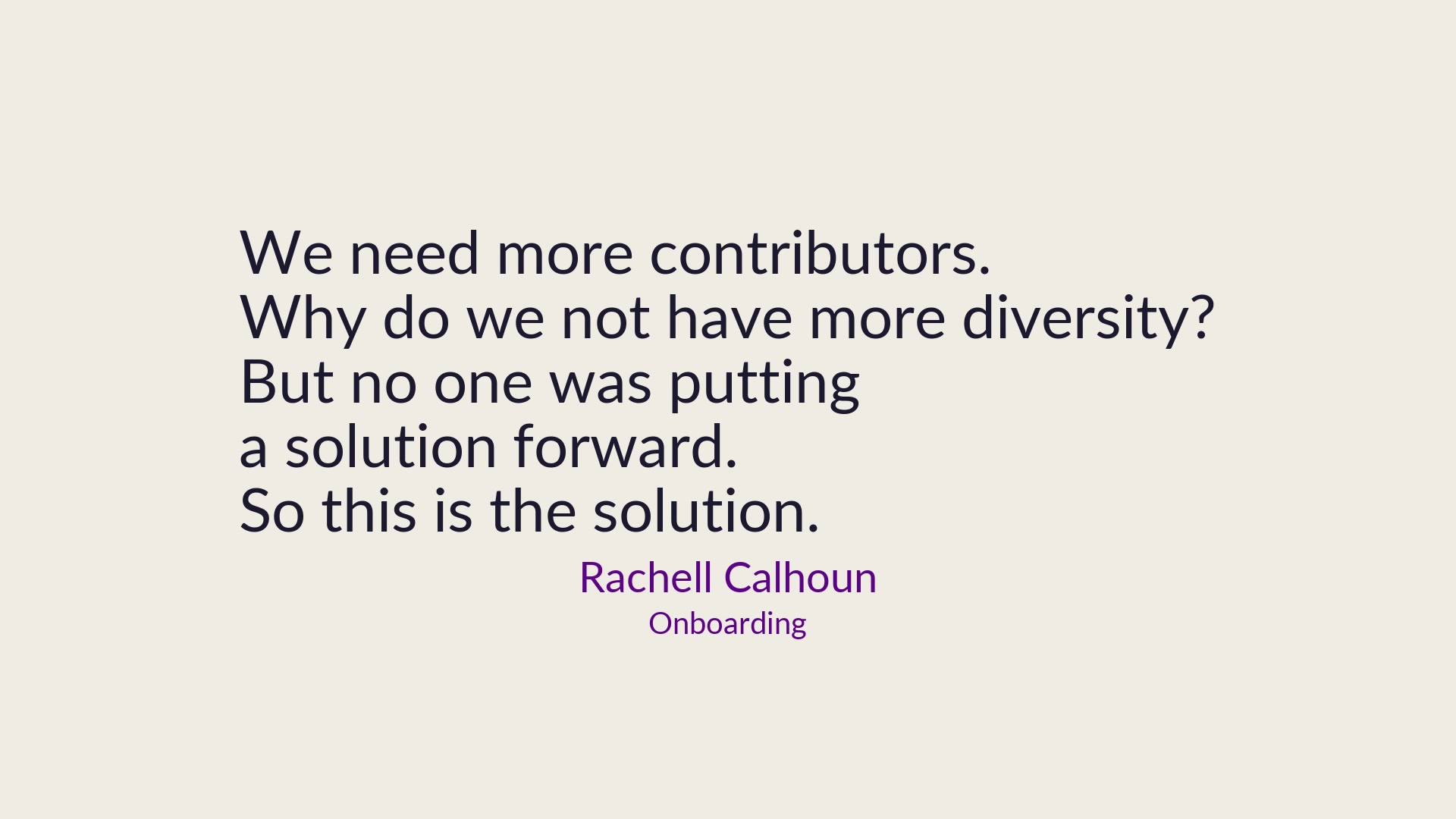
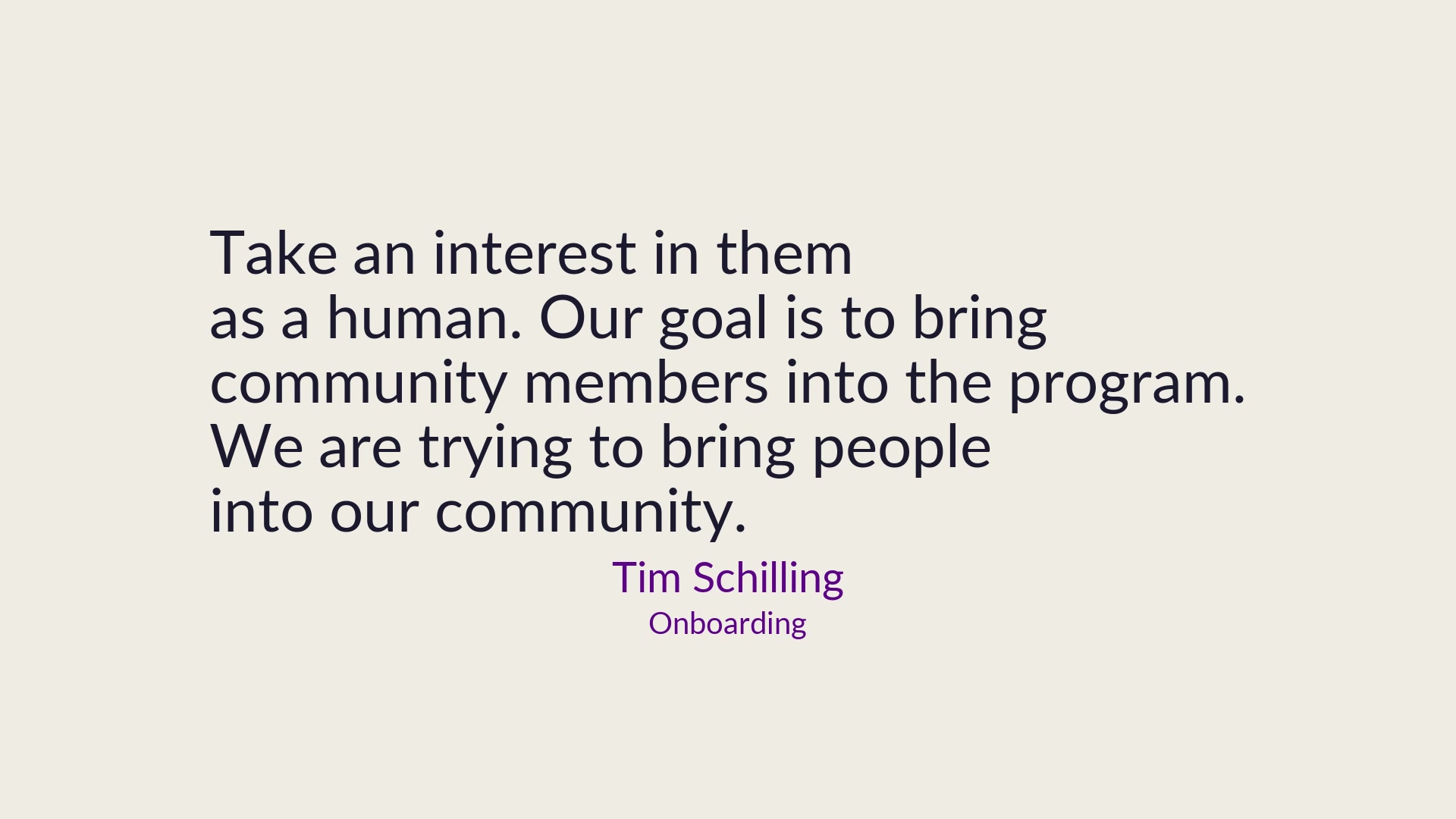
And we kept hearing that people wanted to contribute but didn't know how. They'd open the issue tracker, feel overwhelmed, and close the tab. Or they'd submit a pull request and never hear back. We saw that gap between wanting to contribute and actually getting in, and we saw the bridge it needed. So in 2023, a small group of volunteers built Djangonaut Space: an 8-week group mentorship program that pairs people who want to contribute to open source with people who already do. Each team of three Djangonauts gets a Navigator (technical mentor) and a Captain (community mentor).
Six Sessions: The Numbers
| Applications | Accepted | Acceptance Rate | |
|---|---|---|---|
| Pilot | Invited | 6 | |
| Session 1 | 172 | 17 | 10% |
| Session 2 | 146 | 15 | 10% |
| Session 3 | 92 | 14 | 15% |
| Session 4 | 83 | 15 | 18% |
| Session 5 | 95 | 20 | 21% |
| Session 6 | 95 | 18 | 19% |
| Total | 680+ | 104 | ~15% |
All counts from program tracking data.6
The typical applicant has a median of 5 years of programming experience.7 These aren't beginners. They're working developers who use Django every day but haven't found their way into contributing. Because open source contribution is hard to do alone.
And here's what surprised us: the people we accept actually have slightly less experience than those we don't (4.9 years vs 5.9 years on average).7 We don't select for the longest resume. We select for resilience, motivation, and wanting to give back.
Active Inclusion by Design
82% of our accepted Djangonauts come from underrepresented backgrounds.6
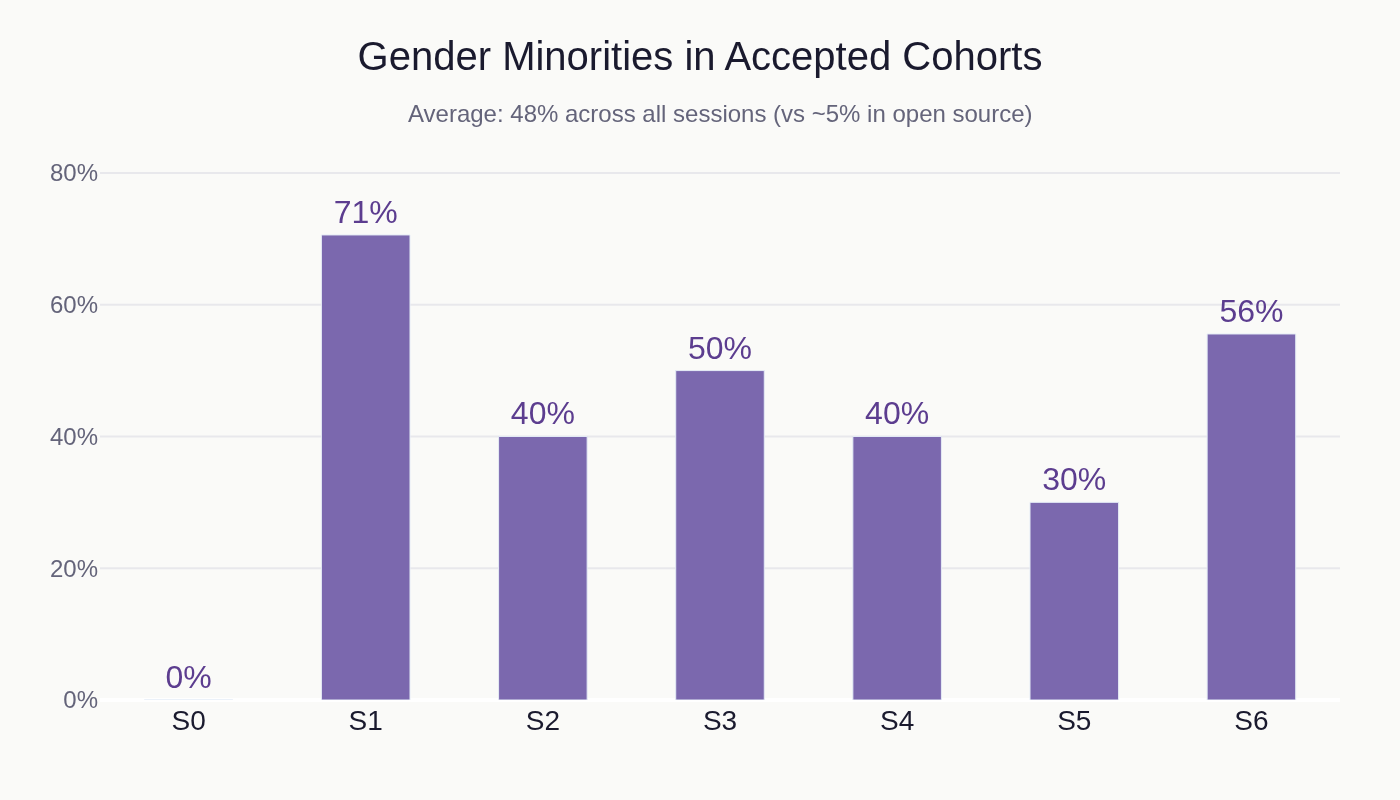
This didn't happen by accident. Across every session, gender minorities have been accepted at 3 to 10 times their representation in the applicant pool.9 For example, in Session 1 gender minorities made up 17% of applicants but 71% of those accepted. In Session 6, 23% of the pool and 56% of those accepted.
Representation matters. When people see others who look like them or share their background contributing to a project, it stops feeling like something other people do and starts feeling possible. And we're seeing that play out: the applicant pool itself is growing more diverse on its own. Underrepresented applicants went from 68% of the pool in Session 1 to 86% in Session 6, an 18 percentage point increase over six sessions.9 Diversity attracts diversity.
Where our Djangonauts come from
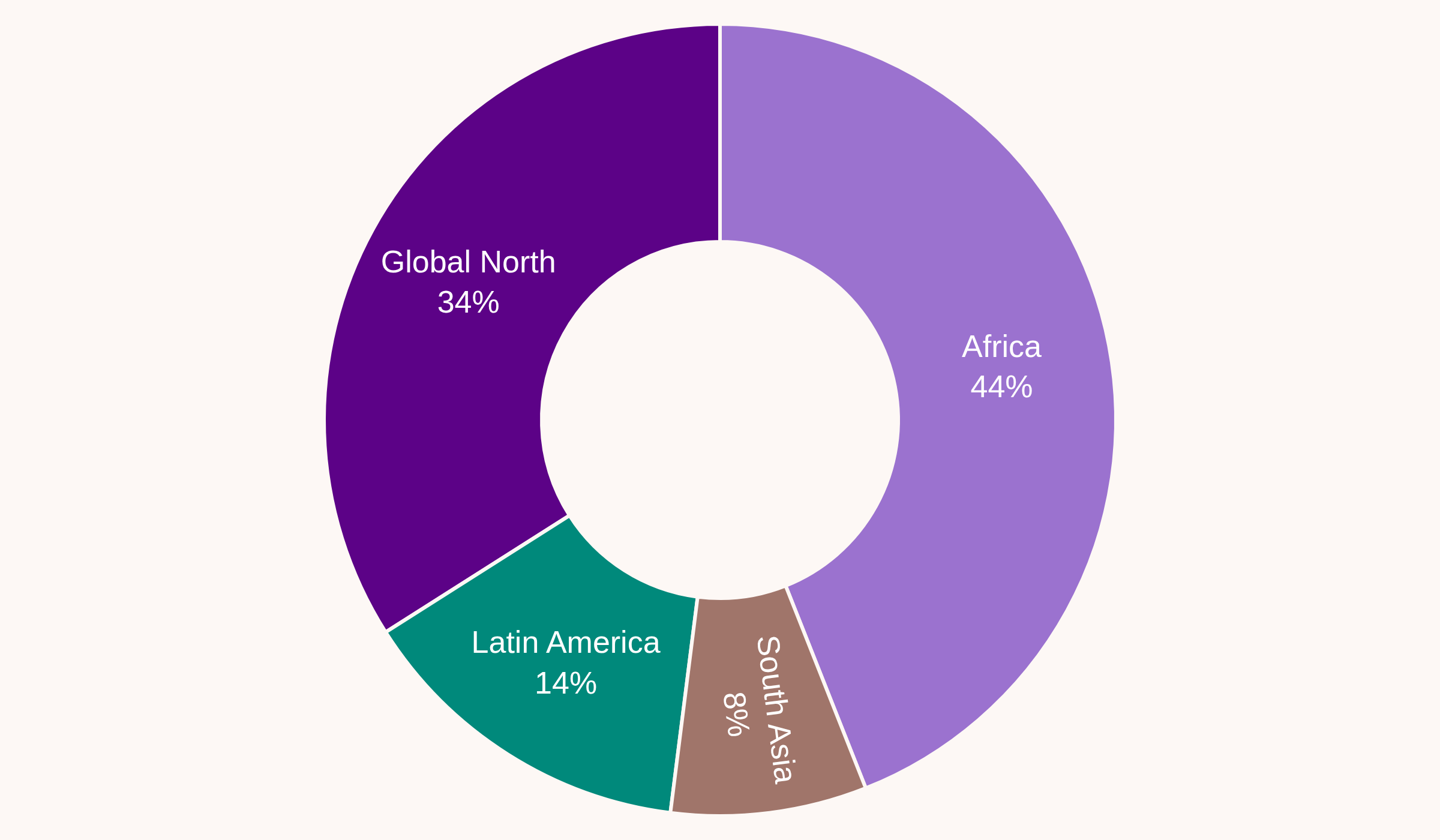
The top applicant countries: Nigeria, India, Kenya, Ghana, Pakistan, and Egypt.6 This is what open source could look like everywhere.
What Changes: From "I Can't" to "I Know I Can"
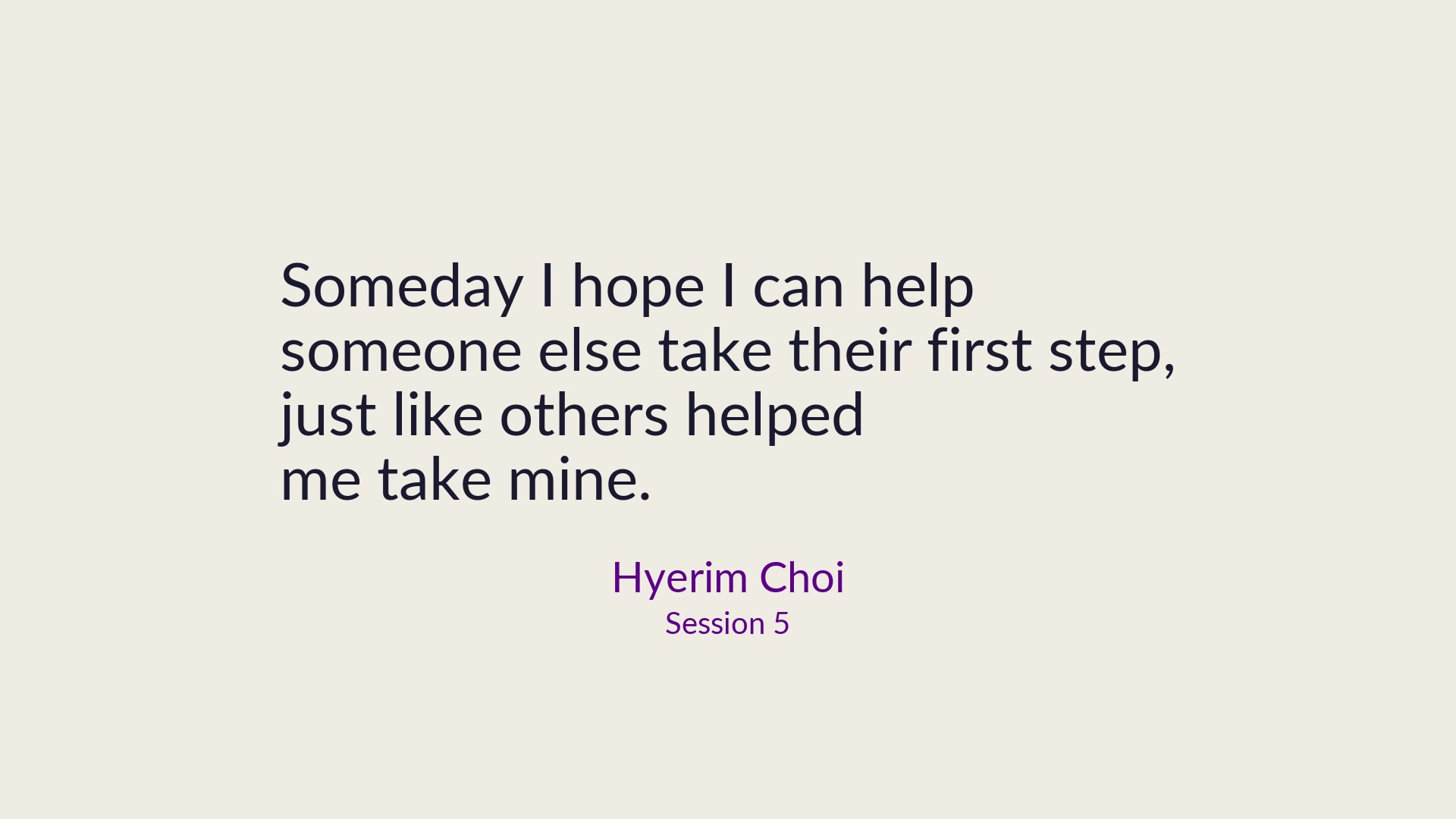
Before the program, Djangonauts rated their confidence contributing to Django at 2.3 out of 5. After? 4.3.11 That's people going from "I'm not sure I can do this" to "I know I can."
"I felt as though I wasn't the kind of person who could become a Django contributor. Now I feel like I found a place where I belong."
Our follow-up survey of 24 alumni paints a fuller picture across five dimensions, every one showing dramatic positive movement. After the program, nearly every respondent agreed or strongly agreed that they feel like a member of the Django community, and that they belong in the open source community. Before the program, many had strongly disagreed.11
From exit surveys: 97% feel more comfortable contributing to Django, 53% said their growth exceeded their own expectations, and 100% would recommend the program.10
And the impact keeps going after the program ends:11
- 88% built confidence making open source contributions
- 83% developed better communication and collaboration skills
- 83% have opened pull requests since their session ended
- 83% feel more welcomed and included in the open source community
- 79% expanded their professional network
- 75% attended conferences or meetups
- 62% stayed motivated as long-term contributors
- 54% created content (blog posts, talks, videos)
- 42% are now mentoring others
- 21% gained access to new professional opportunities
- 12% got a new job; 8% got a promotion
One participant switched careers from wildlife management to backend development. Another had been coding since 2004 (twenty years) but never contributed to open source until Djangonaut Space gave them a crew. Yet another had used Django for fourteen years before she ever contributed to it. The barrier was never what they knew. It was finding a way in.
More Than Code
At the end of each session, Djangonauts present what they learned in a showcase. What they talk about is rarely about code.
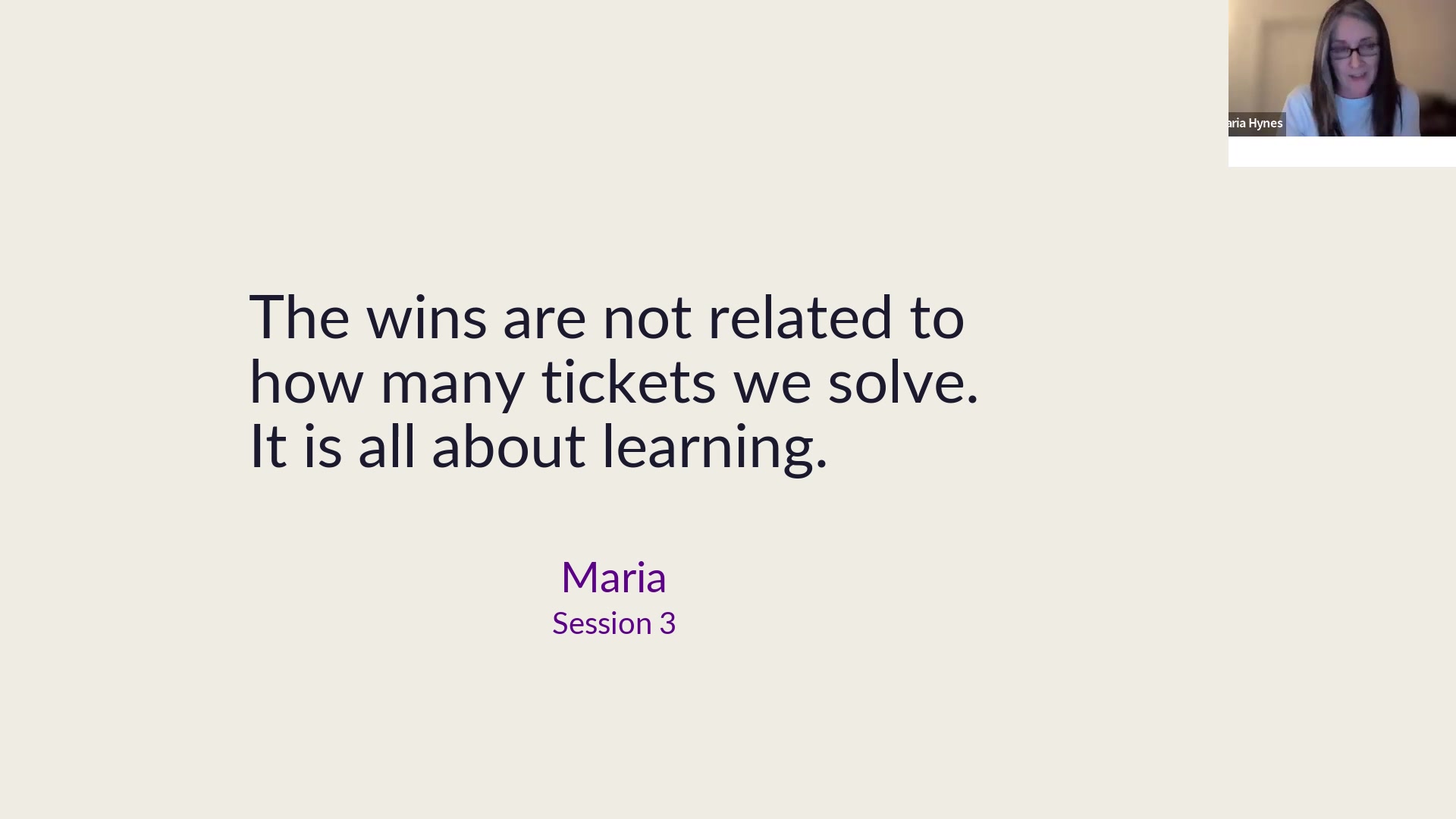
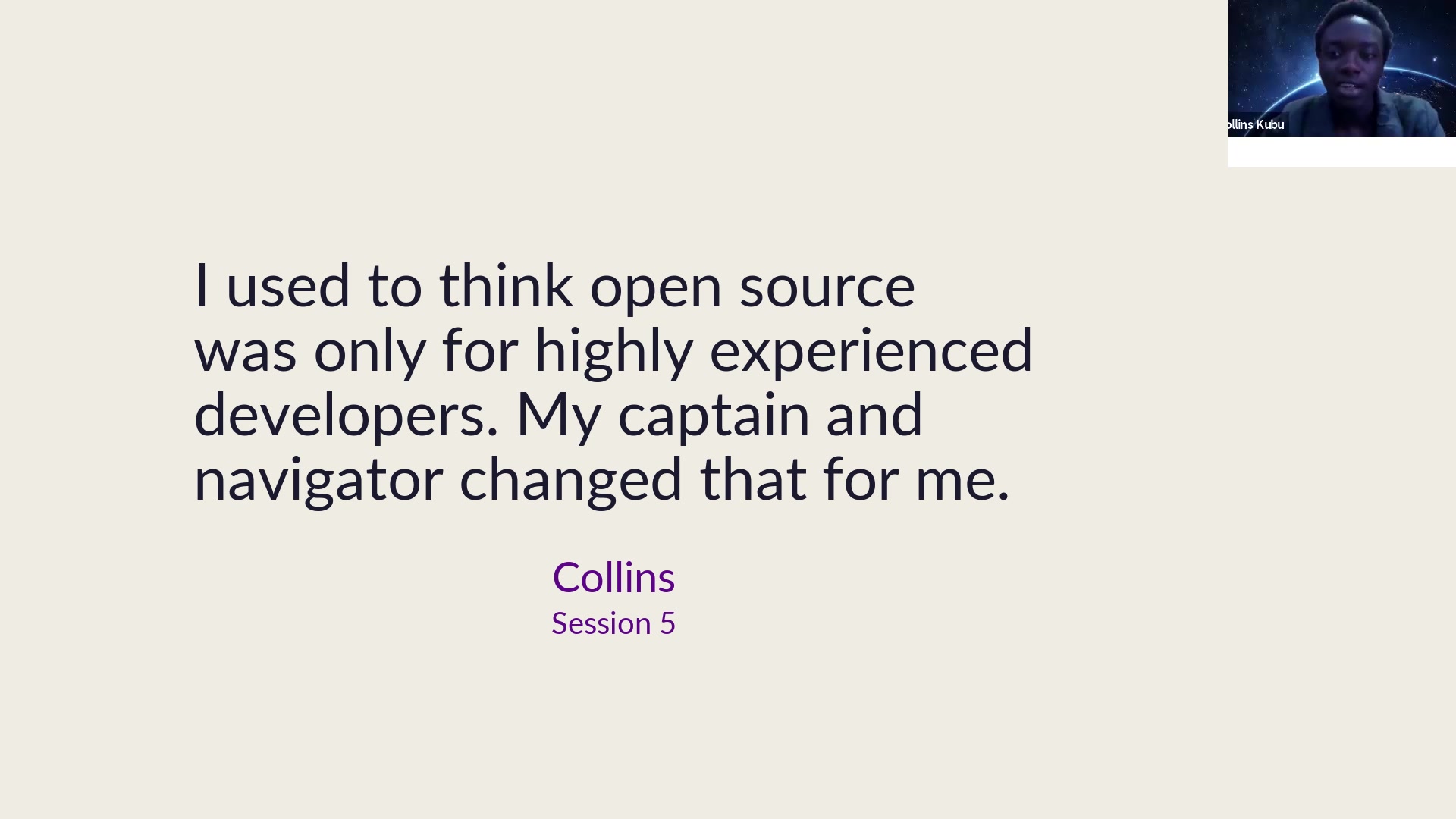
"I came for the code but stayed for the community."
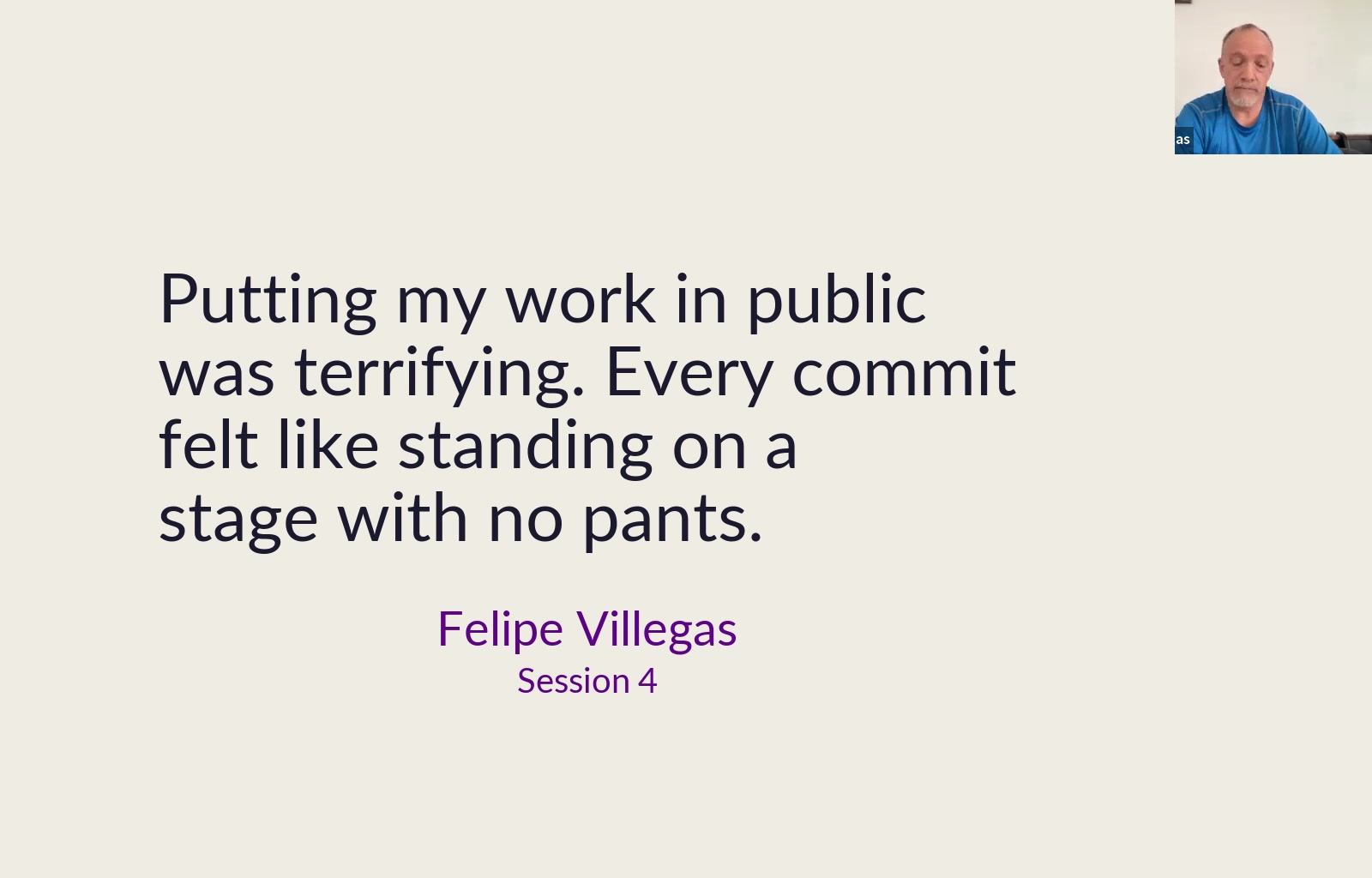
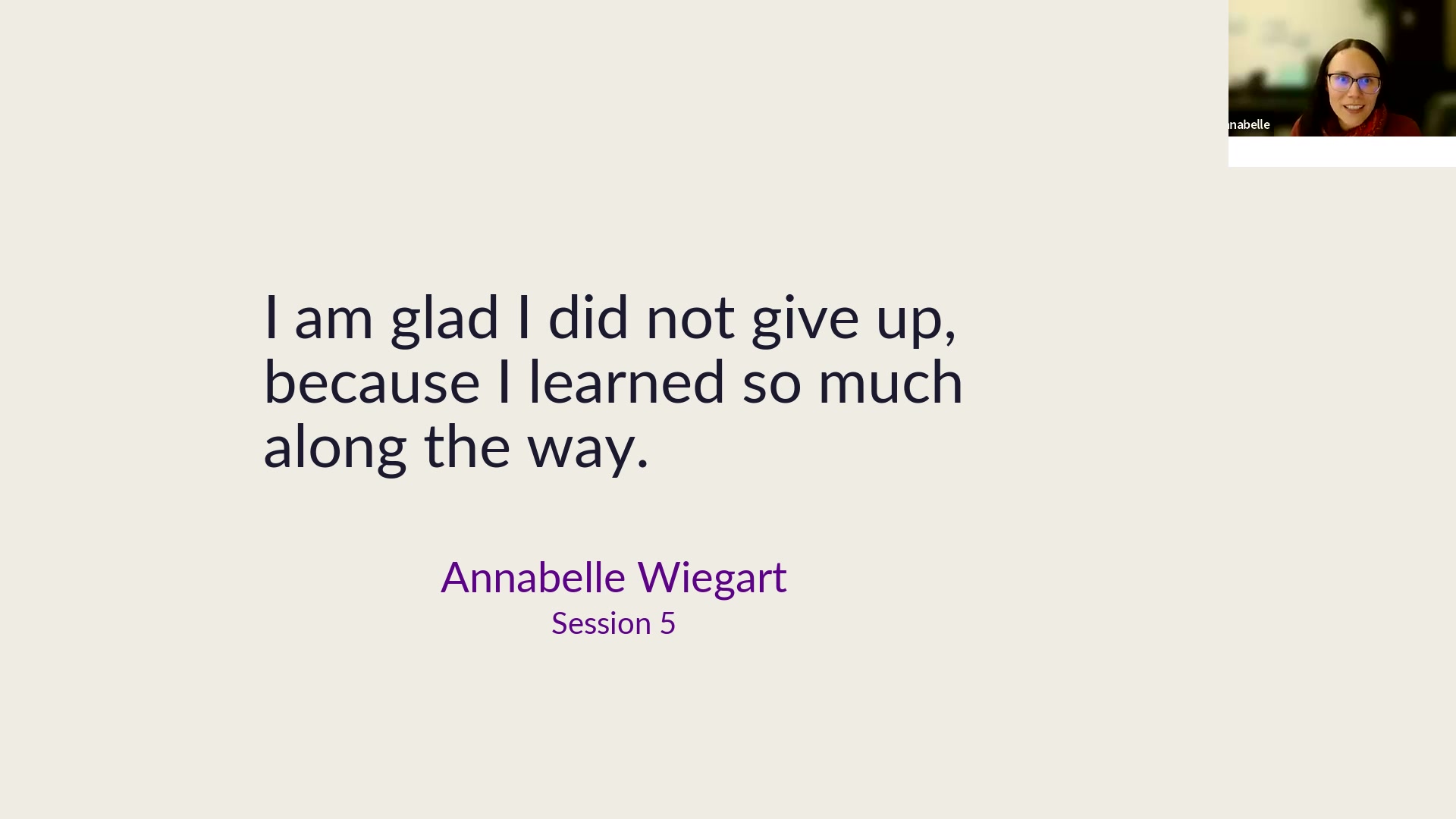
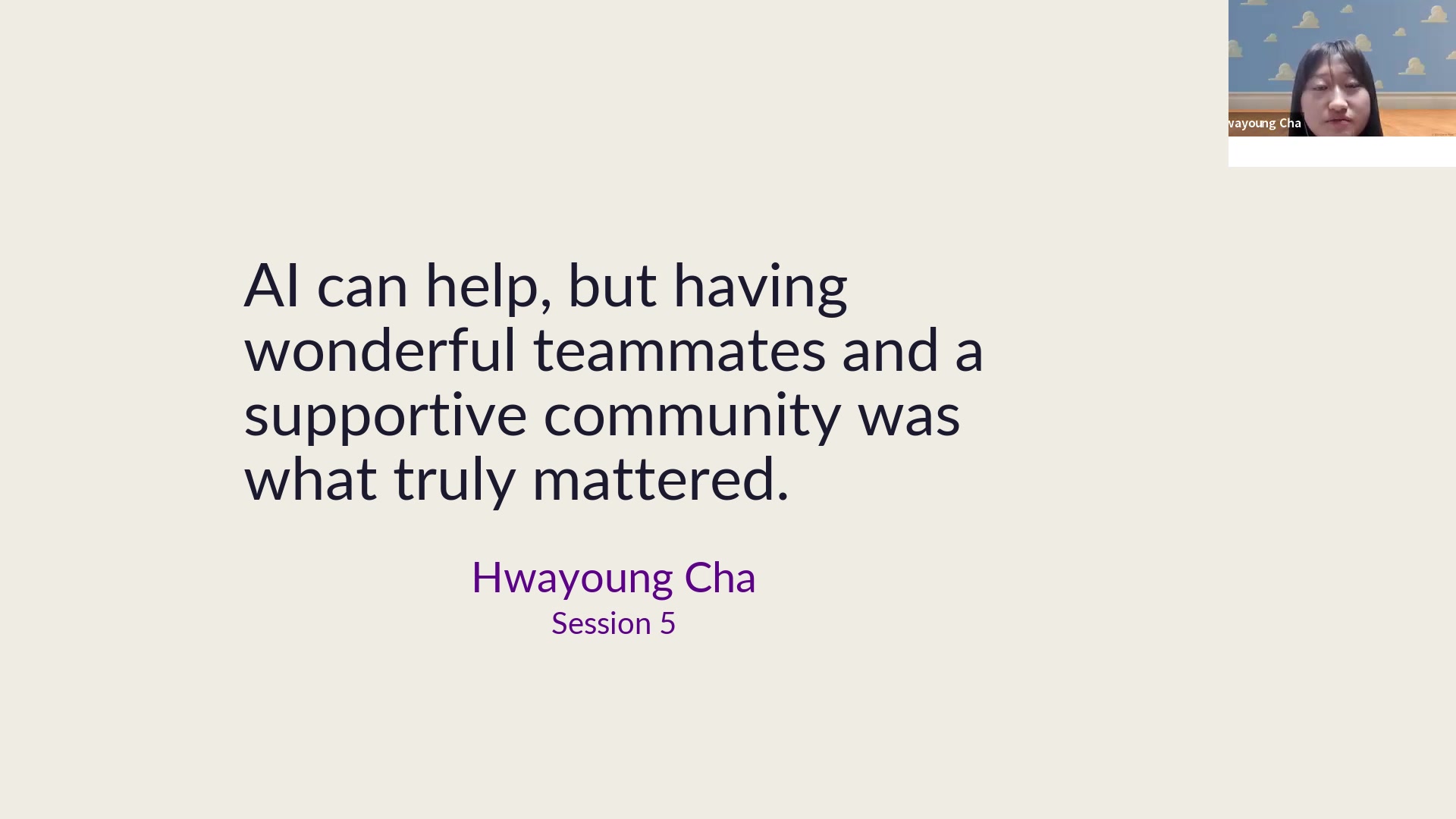
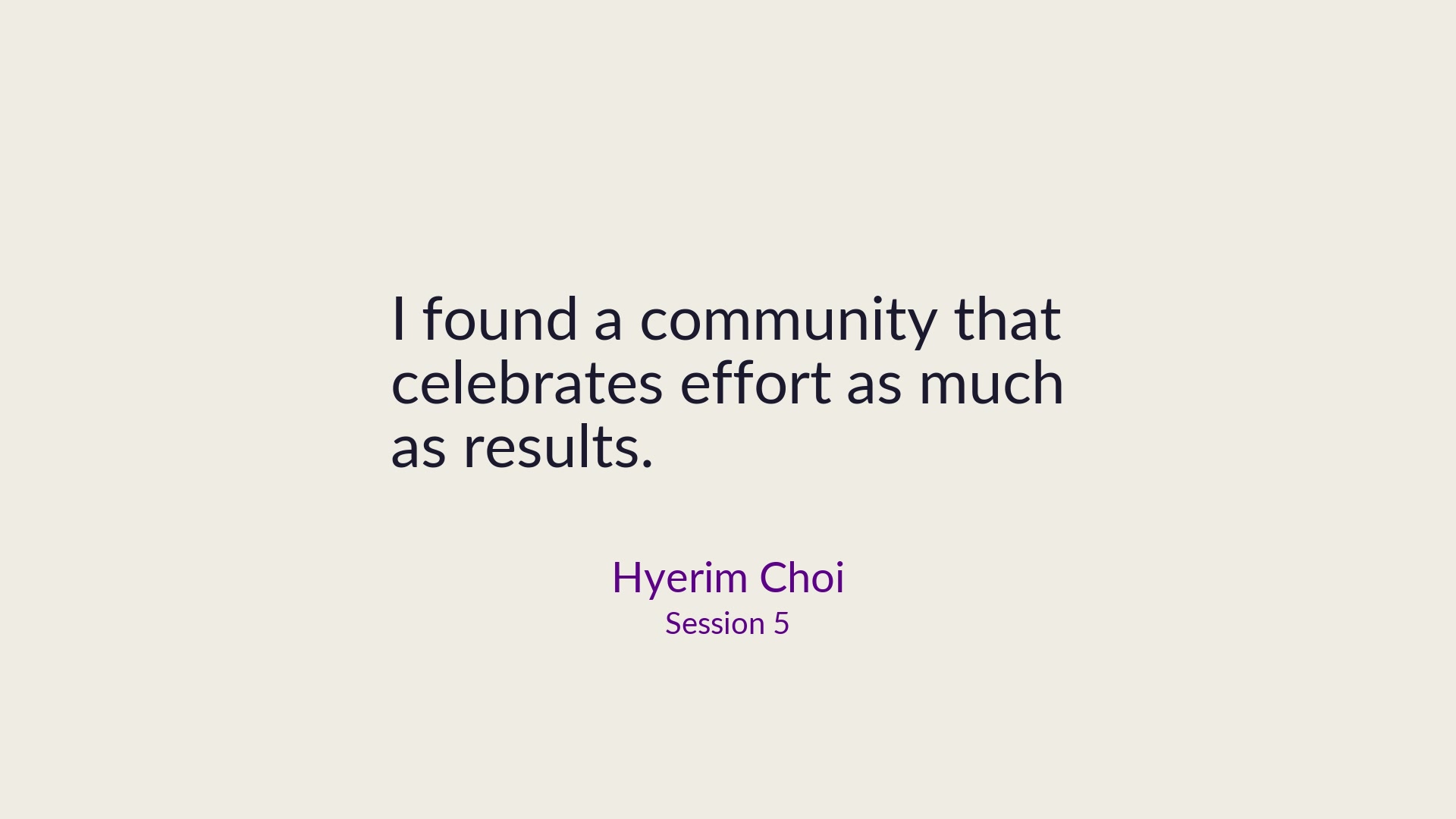
"I was not alone."
Mentorship Leads to a Behavior Change
Survey data shows that Djangonauts feel more confident and welcomed. This is in tandem with increased open source activity and results in a behavioral change where they continue to participate long-term. Below you will find three different ways of looking at the same data. We show the open source activity of the Djangonauts before their session, during and after. In these charts we've excluded people who joined the program, but did not participate.
Some people were already avid OSS contributors, some people become regular contributors and some don't. Keep in mind, this is only displaying technical participation for members. It does not consider other contributions such as community/conference organizing which are incredibly valuable to the community.
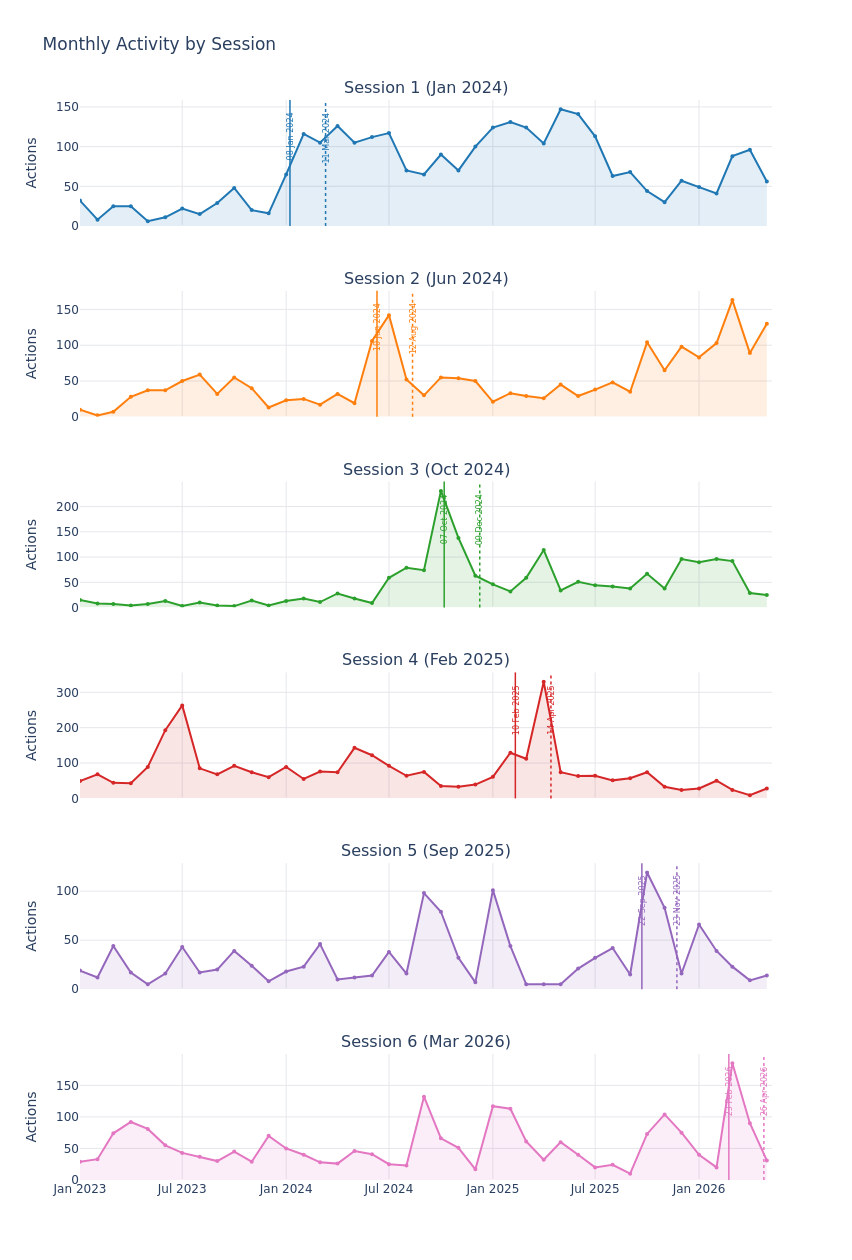
Monthly open source activity for each session's members over time. One panel per session. Solid vertical line = session start date; dotted = session end date.16
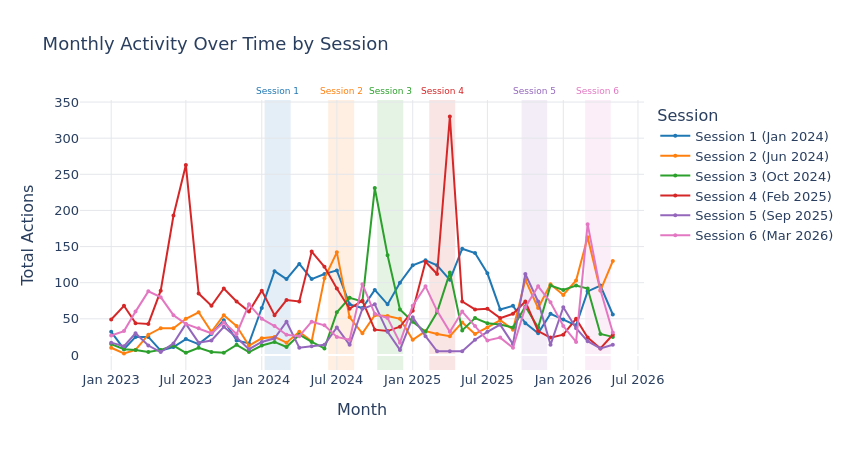
Monthly open source activity for each session's members over time. Shaded bands mark each session's program window. Clicking on the series will show/hide the relevant dataset.16
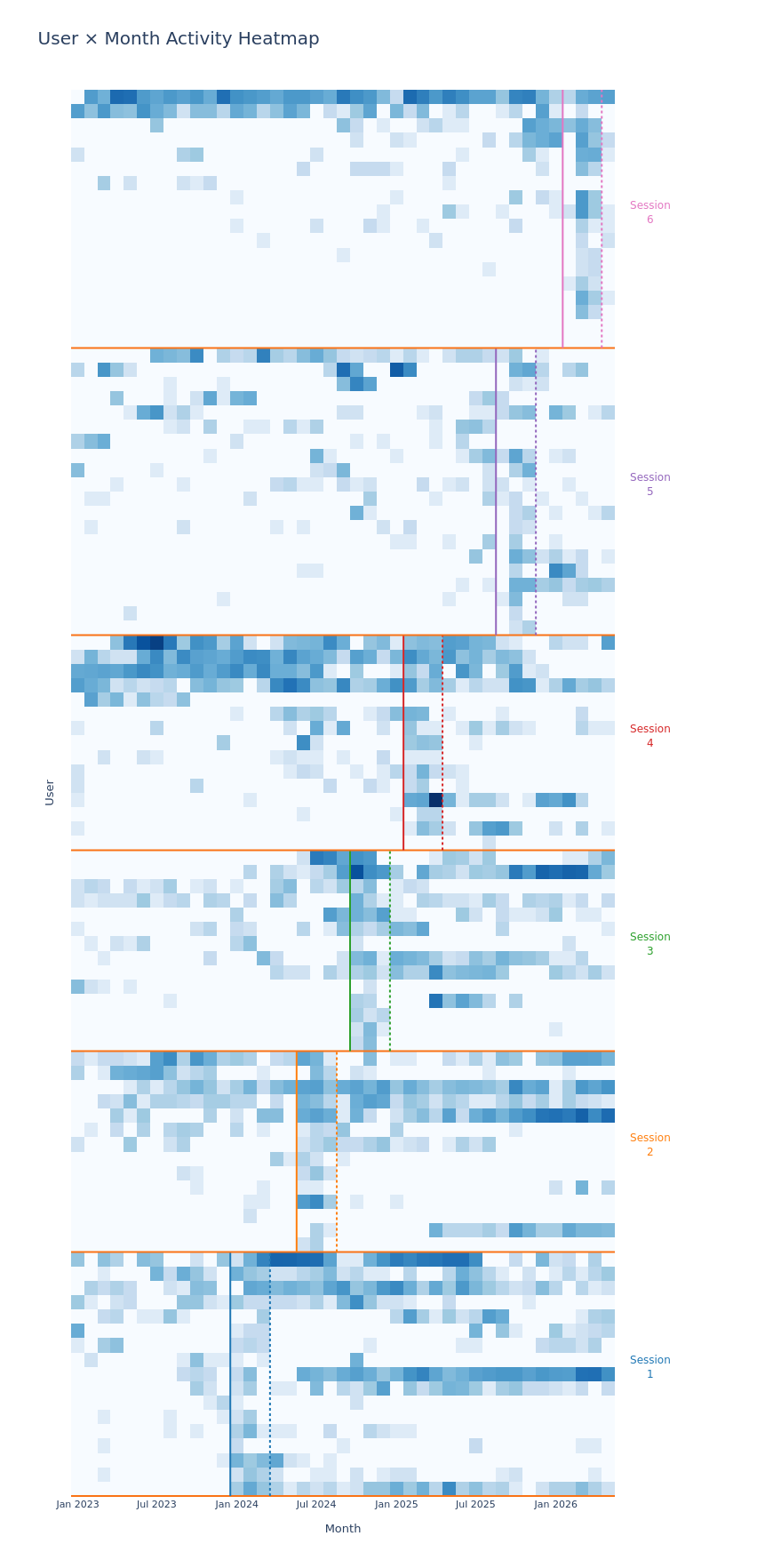
Look for more color to the right of the solid lines to see individuals who had a behavior change due to the session.
Every row is a program member; every column is a month. Color intensity uses a log(1+n) scale so a handful of high-volume contributors don't wash out everyone else. A faint blue square still represents real activity. Solid colored lines mark each session's start date; dotted lines mark the end. Orange horizontal lines divide the sessions.16
The Behavior Change in Numbers
We measured each member's contribution rate (actions per user per day) in three windows. Before their session, during the session and after the session.
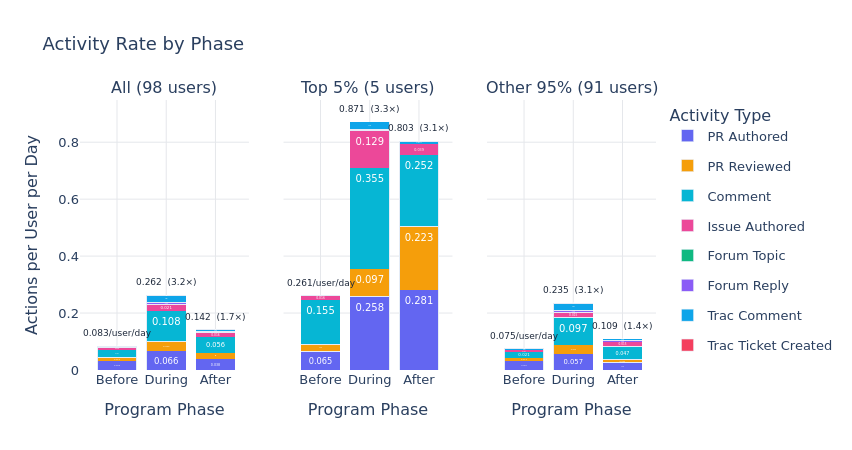
Actions per user per day from before, during, and after the program. Three panels: all participants, the most active 5%, and the remaining 95%. Multipliers show the change relative to each panel's Before rate.16
What we found is that, on average, there's a 1.7× increase over pre-program activity. This is evidence of a behavioral change of participating more in open source software.
For comparison, we analyzed the activity of applicants who applied to a session, but were not accepted. It's evident that people do not need Djangonaut Space to become successful open source contributors. It is also evident that people who are selected are above average contributors (0.075 compared to 0.061 for all applicants and 0.035 for 95% of applicants). This isn't something that is actively selected on during the application process, but is likely a correlation of people who have strong applications have participated more.
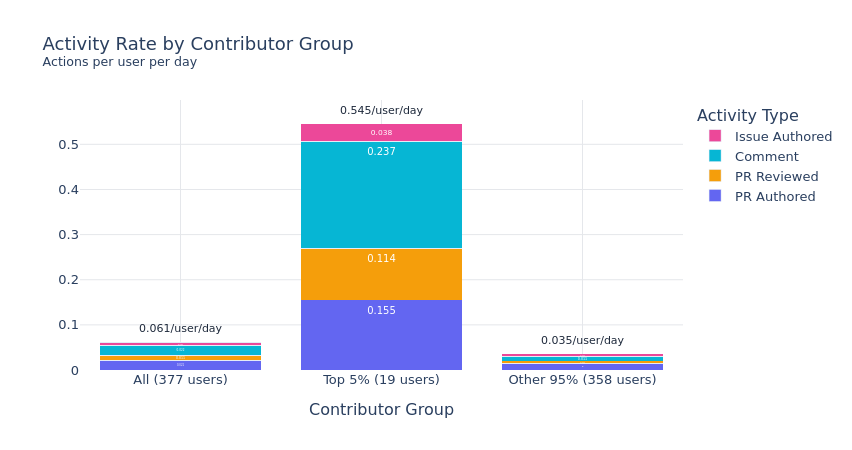
Actions per user per day for unaccepted applicants. Three panels: all participants, the most active 5%, and the remaining 95%.17
The behavior change to participate more in open source is driven by successful contributions and momentum. Our Djangonauts have had 157 PRs merged across all sessions, with even more opened. Below you will see the breakdown of PRs opened per session:
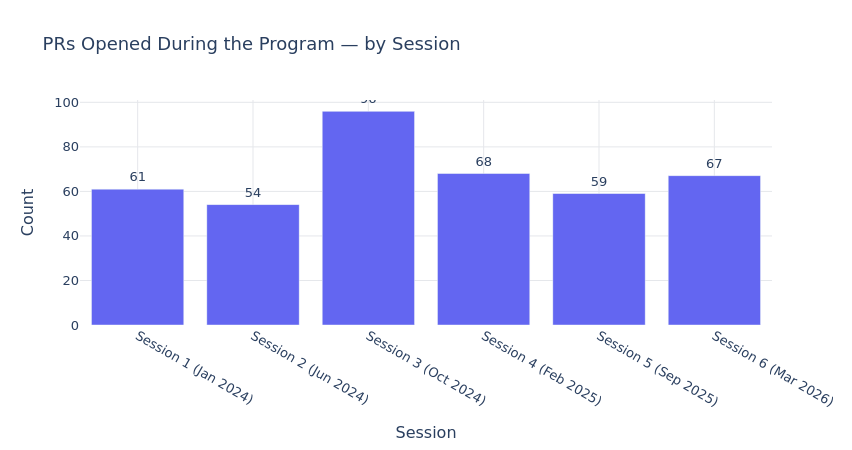
Number of Pull Requests opened per session.16
Leaders Emerge
The program doesn't end at session close. Djangonauts become Captains, Navigators, session organizers, DSF board members, conference chairs, and community founders.
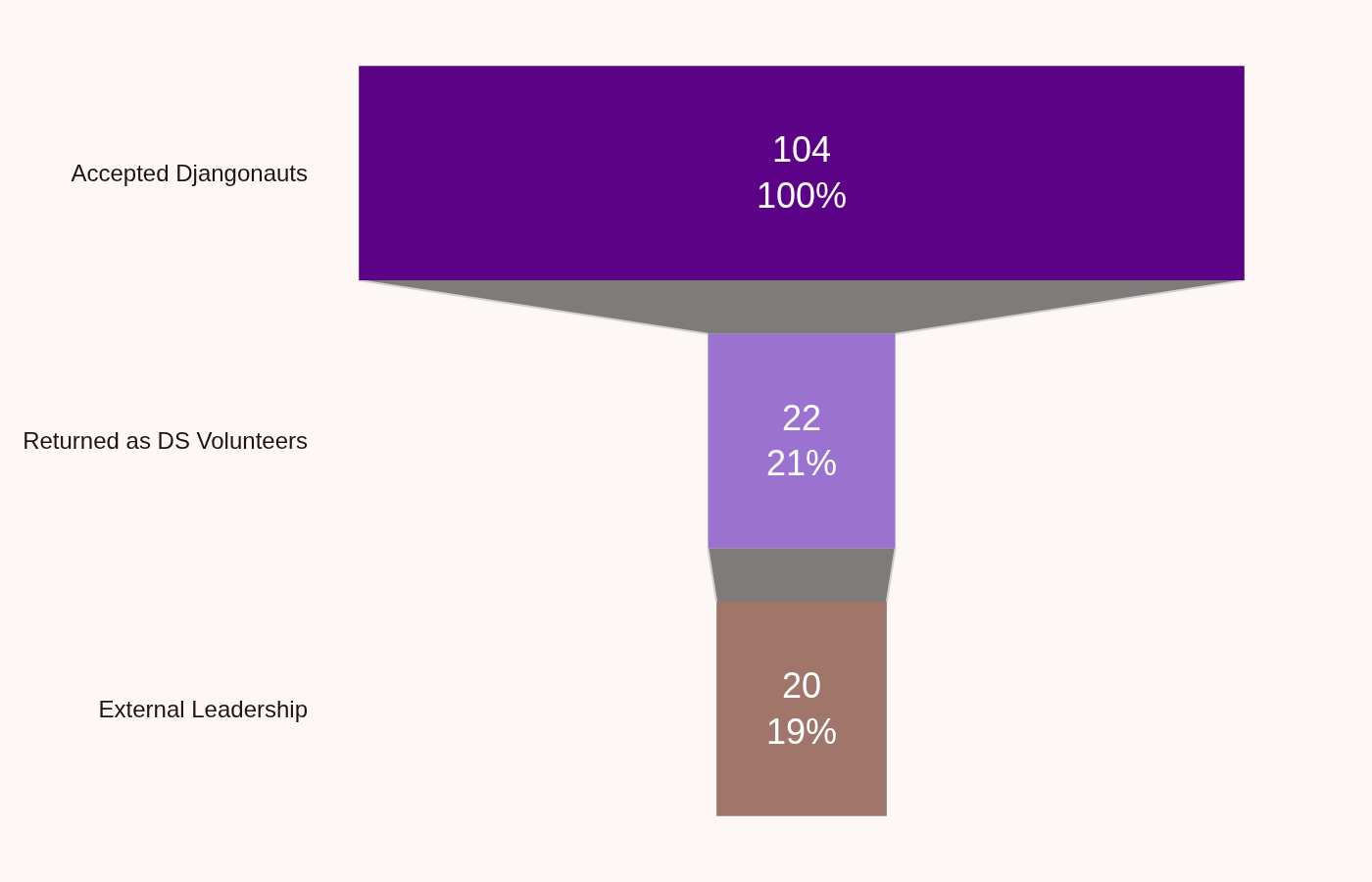
- Afi (Abigail Gbadago)S3 Djangonaut → DSF Vice President, PSF Fellow, PyCon Ghana Keynote
- Akash Kumar SenS1 Djangonaut → Navigator
- Alex GómezS2 Djangonaut → PyCon Spain Treasurer, DSF Website WG, Django Girls coach (5+ events)
- Andy MillerS2 Djangonaut → Online Community WG chair
- AnnabelleS5 Djangonaut → PyLadies Zurich organizer
- Eliana RosselliS1 Djangonaut → Navigator 2x → Django Accessibility Team co-chair
- Farhan Ali RazaS2 Djangonaut → Organizer → Django GSoC Mentee 2025 (brought django-template-partials into Django)
- Keanya PhelpsS1 Djangonaut → Captain 4x → DjangoCon US Chair
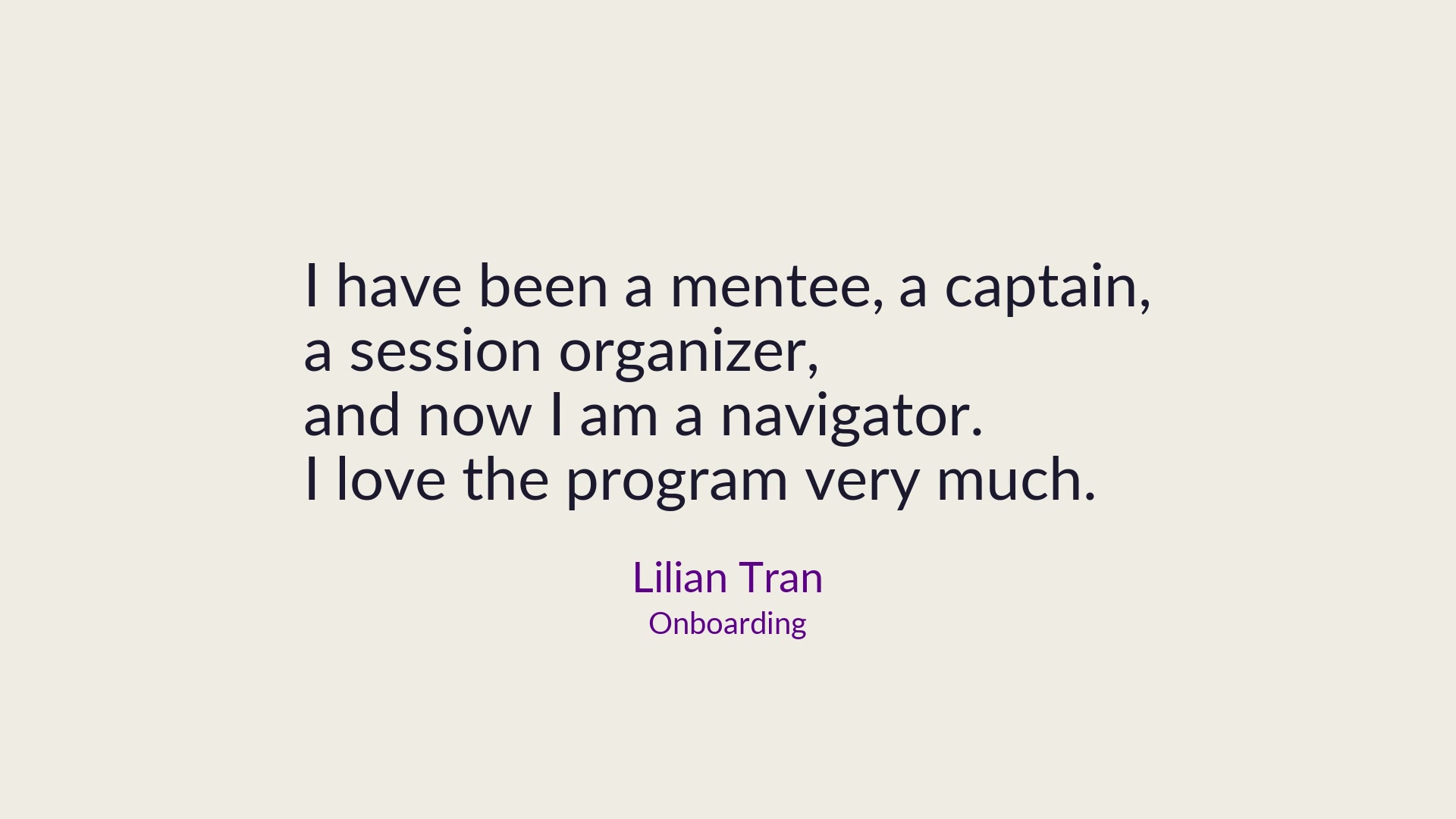
- Lilian TranS1 Djangonaut → Captain → Organizer → Navigator → Admin. Held every role. 4+ conference talks. Django Triage & Review Team member.
- Moe (Mohammad Alsakhawy)S1 Djangonaut → Captain → founded first Django meetup in Egypt (27 attendees, 170+ Discord members)
- Priya PahwaS1 Djangonaut → Organizer → DSF Secretary, Fundraising WG chair
- Raffaella SuardiniS1 Djangonaut → Organizer → Admin, Django Triage & Review team member
- Rahmat AkintolaS2 Djangonaut → Captain → Organizer → Django Accessibility WG, Django Girls coach, Program Lead at Everything Open Source
- Soyoung KangS3 Djangonaut → PyCon Korea organizer
- Tushar GuptaS0 Djangonaut → Captain → Organizer → Accessibility Team
- Velda KiaraS2 Djangonaut → DEFNA Board, DjangoCon US Organizer, Django Debug Toolbar maintainer
More than eight Djangonauts have given talks at conferences including DjangoCon US, DjangoCon Europe, FOSDEM, PyCon Italia, Python Ghana, North Bay Python, Google DevFest Lagos, and PyLadiesCon. Five serve on Django working groups across Accessibility, Fundraising, and the Website Working Group.1213
73% of officers say they feel more comfortable in mentoring and leadership positions because of this program.14 We're not just producing contributors. We're producing leaders.
What a Small Budget Can Do
Our total financial aid budget across two and a half years: $2,275.15
With it, we've supported 13 people to attend conferences around the world. For some, it was their first. The conferences include PyCon Ireland, FOSDEM, PyCon US, DjangoCon Africa, and DjangoDay India.15
Two grants were canceled because recipients couldn't obtain visas, a reminder that access isn't just about money.15
People who received grants went on to give talks, organize workshops, join the DSF board, and come back to Djangonaut Space as volunteers. That's not a conference ticket. That's a trajectory.
The Cost of Showing Up
Djangonaut Space has led to more contributors and community leaders by being intentional and maintaining a positive community. This has required quite an investment. Let's look at a few more numbers. Over the six sessions, we have had 104 Djangonauts participate who have invested roughly 3,300 hours. Then we have our 52 volunteers across our Navigator, Captain and organizer roles, who have invested about 2,500 hours.
That is 5,800 hours not spent with family, friends, or watching movies. Or put another way, that's a 350,000 dollar investment the Django community has made in itself. That's the Django community investing in sustainability!
What the Numbers Can't Capture
During one session showcase, a Djangonaut talked about living with a chronic illness that had disconnected her from traditional work and community. She'd struggled to even describe herself anymore. The things she used to love felt like they belonged to a different person. But open source, and this program, gave her a way to contribute at her own pace, find purpose, and help make the web more accessible for people like her.
The chat filled with hearts.
She's not alone. Across every session, Djangonauts are finding their place and discovering they belong. Not because someone handed it to them, but because a community made space for them to show up as they are.
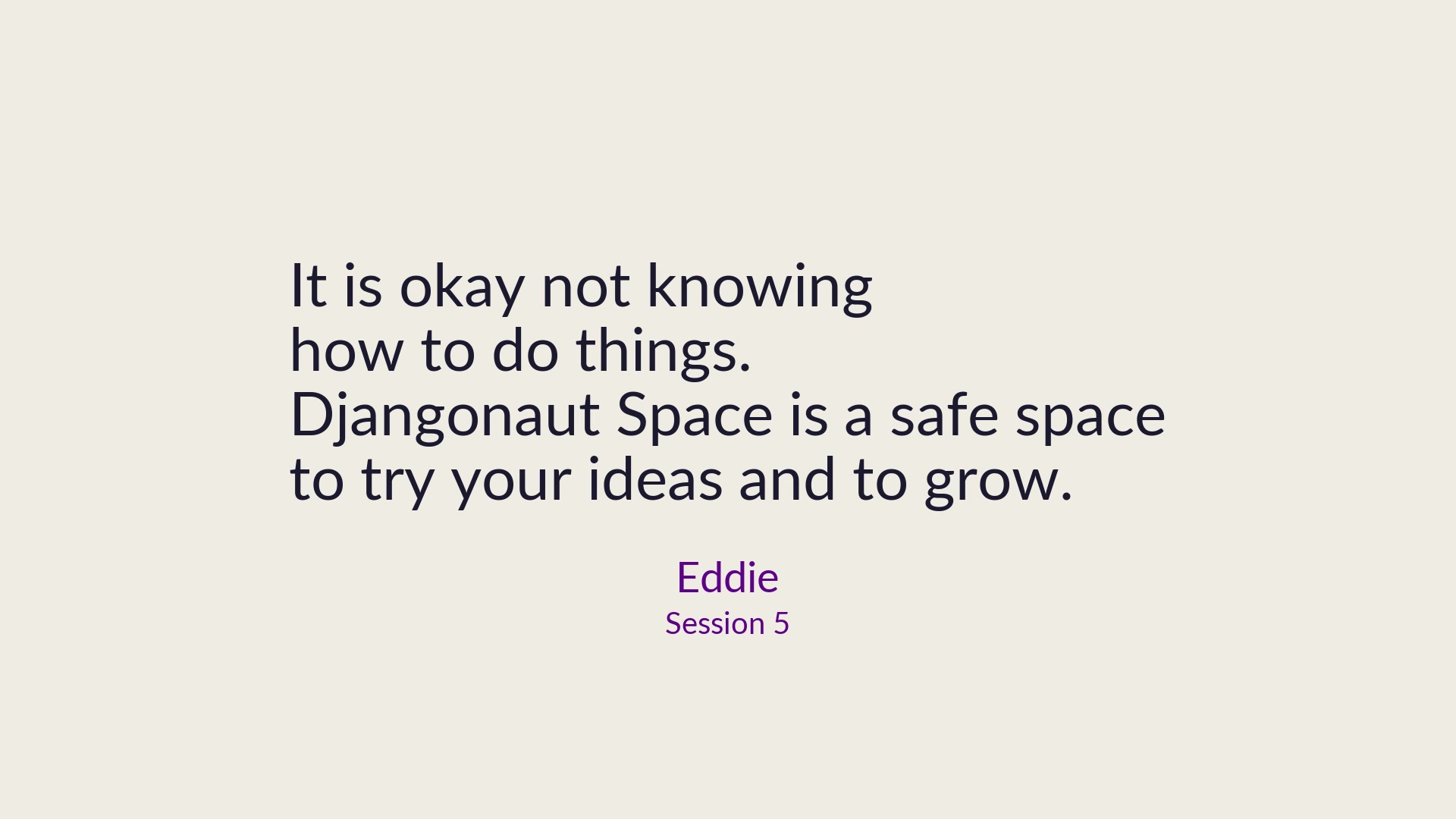
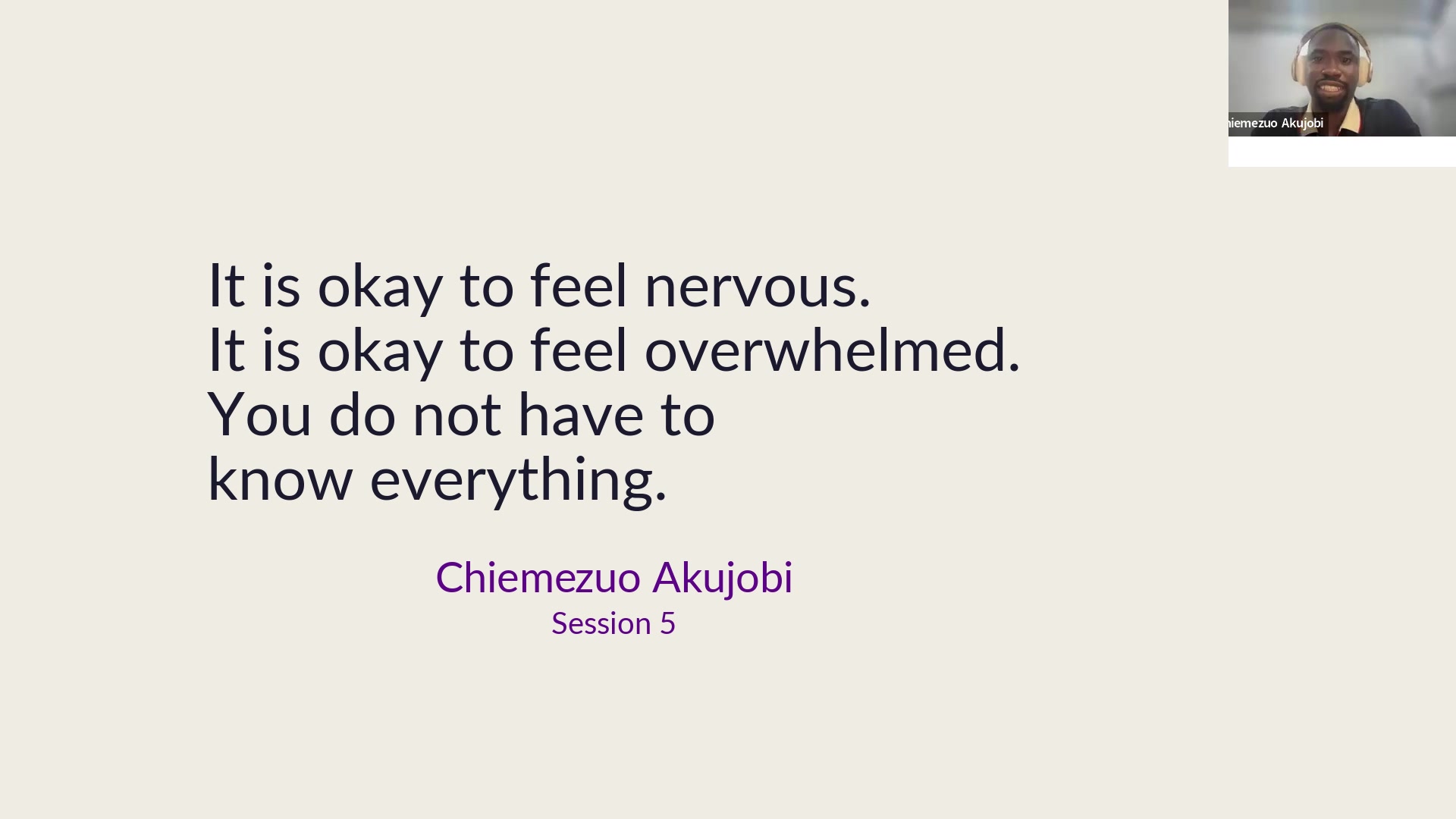
"Djangonaut Space: the best thing to happen in Django in a long while."
"You get to be part of a community of really smart people that care about the project, but maybe more about each other and their development."
That moment doesn't fit in a spreadsheet. Neither do the chess matches on Discord, the icebreakers about what you'd bring to space ("an astronaut," solid choice), or the friend in a different timezone who stayed on a call an extra hour to help debug a test.
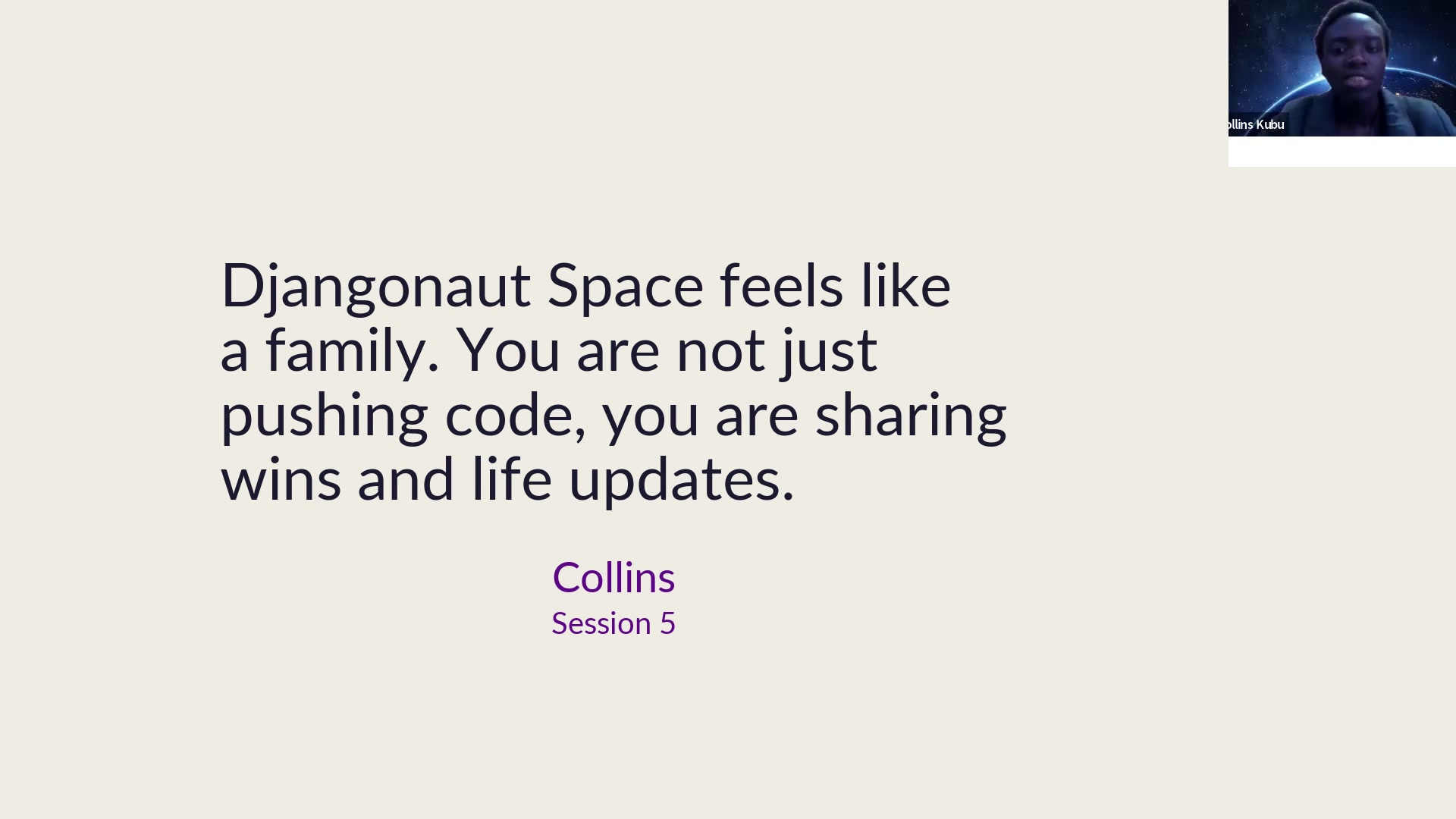
"When I joined this program, I wasn't sure how much I could achieve. However, I found a group of splendid individuals who not only guided me toward solutions but also provided valuable advice to face numerous new challenges. Embrace the power of community. While there are many things someone can do, letting the community guide you opens up even more possibilities."
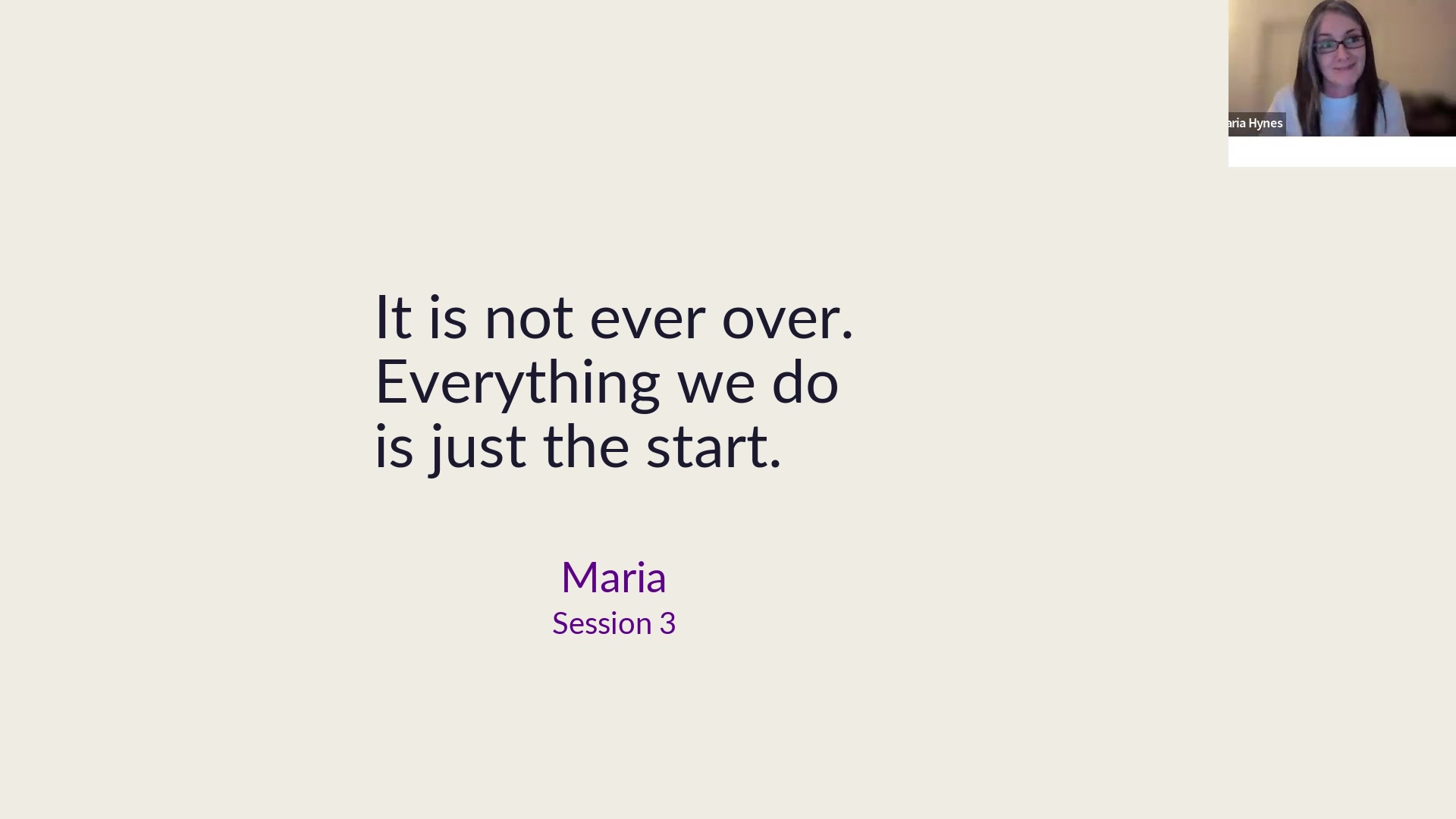
"It is not ever over.
Everything we do is just the start."
What Comes Next
Djangonaut Space is a volunteer-run program. Everything you've read here was built by people who showed up because they believed the community could be better.
Get InvolvedData References
Every statistic in this post traces back to a specific source. We believe transparency about data is as important as the data itself.
- [1] GitHub Open Source Survey (2017). 95% of respondents identified as men, 3% as women, 1% as non-binary. opensourcesurvey.org/2017
- [2] GitHub geographic data. Most closed pull requests come from developers in the US, UK, and Germany. opensourcesurvey.org/2024
- [3] Alison Reynolds and David Lewis, "Teams Solve Problems Faster When They're More Cognitively Diverse," Harvard Business Review, March 2017. hbr.org
- [4] IEEE, "Diversity and Inclusion in Open Source Software Projects." Diverse repositories have superior code quality. ieeexplore.ieee.org
- [5] GitHub study on gender bias in code review. Acceptance drops 12% when gender is identifiable. Wikipedia
- [6] Djangonaut Space program tracking data. Consolidated from application records and accepted participant lists across Pilot + Sessions 1-6. 104 unique accepted Djangonauts, 680+ applications, 226 total volunteers, 40+ countries. Geographic data available for Sessions 4-6.
- [7] Applicant experience analysis. Extracted from freeform application responses. 202 of ~680 applicants (30%) explicitly mentioned years of experience. Accepted sample: 28 of 99.
- [8] Python Developers Survey 2024, JetBrains/PSF (CC BY 4.0). 8% of 5,453 OSS contributors identified as women or gender minorities.
- [9] Djangonaut Space demographics analysis. Computed from self-reported underrepresented status and gender minority status collected from applicants.
- [10] Exit surveys, Sessions 1-5. 32 responses from Djangonauts. 97% feel more comfortable contributing. 53% said growth exceeded expectations.
- [11] Alumni follow-up survey, 2026. 24 respondents out of 104 alumni (~23% response rate). Measured post-program contributions, benefits, and before/after confidence across 5 dimensions.
- [12] Leadership pipeline tracking. Compiled from program records and alumni survey responses. 22 unique people returning in volunteer roles. Some individuals hold multiple roles.
- [13] Survey-reported external leadership and conference activity. Self-reported by 24 alumni survey respondents. 18 of 24 attended conferences or events post-program.
- [14] Officer exit surveys, Sessions 1-5. 15 responses. 73% reported feeling more comfortable in mentoring and leadership positions.
- [15] Conference financial aid records. 13 grants across 2024-2026, averaging approximately $300 per grant. Total budget: $2,275.
- [16] Open source activity data. Collected via the GitHub API and Django's Trac issue tracker for each program member. Covers pull requests, issues, comments, and review activity across non-personal repositories.
- [17] Open source activity data. Collected via the GitHub API for each applicant. Covers pull requests, issues, comments, and review activity across non-personal repositories.
This post was written by Rachell Calhoun and Tim Schilling based on data presented in our PyCon US 2026 keynote, "Djangonaut Space: Where Contributors Launch." If you have questions about any of the numbers here, reach out at [email protected].